Bangkok's rising temperatures are no longer just a seasonal inconvenience; they are a growing public health, equity, and climate justice challenge. As heatwaves intensify and urban infrastructure struggles to keep pace, the question is no longer only why cities are getting hotter, but what can be done about it and by whom.
This online talk shifts the lens from vulnerability to action. It brings together voices from civil society, technology and innovation, and the cultural and creative sectors to explore effective narrative building and collaborative, cross-sector approaches for mitigating urban heat impacts, particularly for those most exposed: outdoor and home-based workers, informal settlement residents, children, older persons, and other at-risk groups.
September 26 - October 2: Online Film Screenings
Register to receive screening links by email from September 16, 2026 to October 2, 2026. The team will begin sending links starting September 26. Each screening link will remain valid for 7 days after it is sent.
October 1: Online Talk Session
Join us for an online discussion and talk about the extreme heat on October 1, 2026, at 7:00 PM. Speakers include:
-
Siriporn Rathie, Thailand Country Director, HERA (Heat Resilience Action)
-
Christ Dustly Go Tan, film programmer and curator
-
Aekkapol Aekakkararungroj, Program Manager for Air Quality and Health at the Asian Disaster Preparedness Center (ADPC)
-
Busakorn Suriyasarn, CCCL Team Leader, moderator
This session will be conducted in English with Thai interpretation.
In partnership with

-
We all live on the same planet. So we are all equally affected by the climate crisis. Right? Actually not quite.
Inequalities exist in normal times and the climate crisis only worsens existing inequalities. People with resources are better equipped to adapt, while those who have little to begin with and often face various difficulties in life, will find themselves in worse situations.
Indigenous, farming and fishing communities have had to cope with increasingly frequent extreme weather events such as flood, drought, heat, storm, and wildfire. Their livelihoods have become insecure due to degradation of the ecosystems and depletion of natural resources. In the hot season in big cities, street vendors, construction workers and motorbike taxis work in scorching heat that is becoming more extreme, compounded by high humidity. At night, they struggle to sleep in cramped housing, often made of metal sheets. Children and the elderly in poor families are particularly vulnerable. Typically, women cook, clean and care for the children, the elderly and the sick in the family. In crisis their chores and responsibilities become heavier. Imagine when women are the only provider as well as the carer of the family. In traditional rural communities, queer people are sometimes the first to be blamed for natural calamities but often the last to be consulted for solutions to problems.
As national and local policies on climate change are being formed in Southeast Asia, how the climate crisis affects different populations is a question that demands serious attention and policy consideration. Climate resilience cannot be achieved if some groups of people are perpetually excluded and their voices and concerns left out of important discussions and decision making.
The human and gender lens is needed in climate storytelling, and unheard voices need to be amplified for a more inclusive climate action, and more equitable and just outcome. In this online talk, a panel will share various perspectives on differential impacts experienced on the ground in ASEAN communities.
April 24–30: Online Film Screenings
Register to receive screening links by email from April 20–30, 2026. The team will begin sending links starting April 24. Each screening link will remain valid for 7 days after it is sent (except for AFTER THE STORM, which will be available for viewing throughout the entire screening period).
April 29: Online Talk Session
Join us for an online discussion exploring the climate crisis through a gender lens on April 29, 2026, at 7:00 PM. Speakers include:
-
Matcha Phornin, Lao/Isan lesbian feminist-mother-human rights educator, Sangsan Anakot Yaowachin Foundation, Thailand
-
Dr. Dewi Candraningrum, Lecturer and the Founder of Jejer Wadon Art Space, Boyolali, Indonesia
-
Jonas Gregory Penalba Perez (Nash), Gender, Climate Change, and DRR Programme Officer in the Philippines
Busakorn Suriyasarn, CCCL Team Leader, moderator
This session will be conducted in English with Thai interpretation.
In partnership with
-


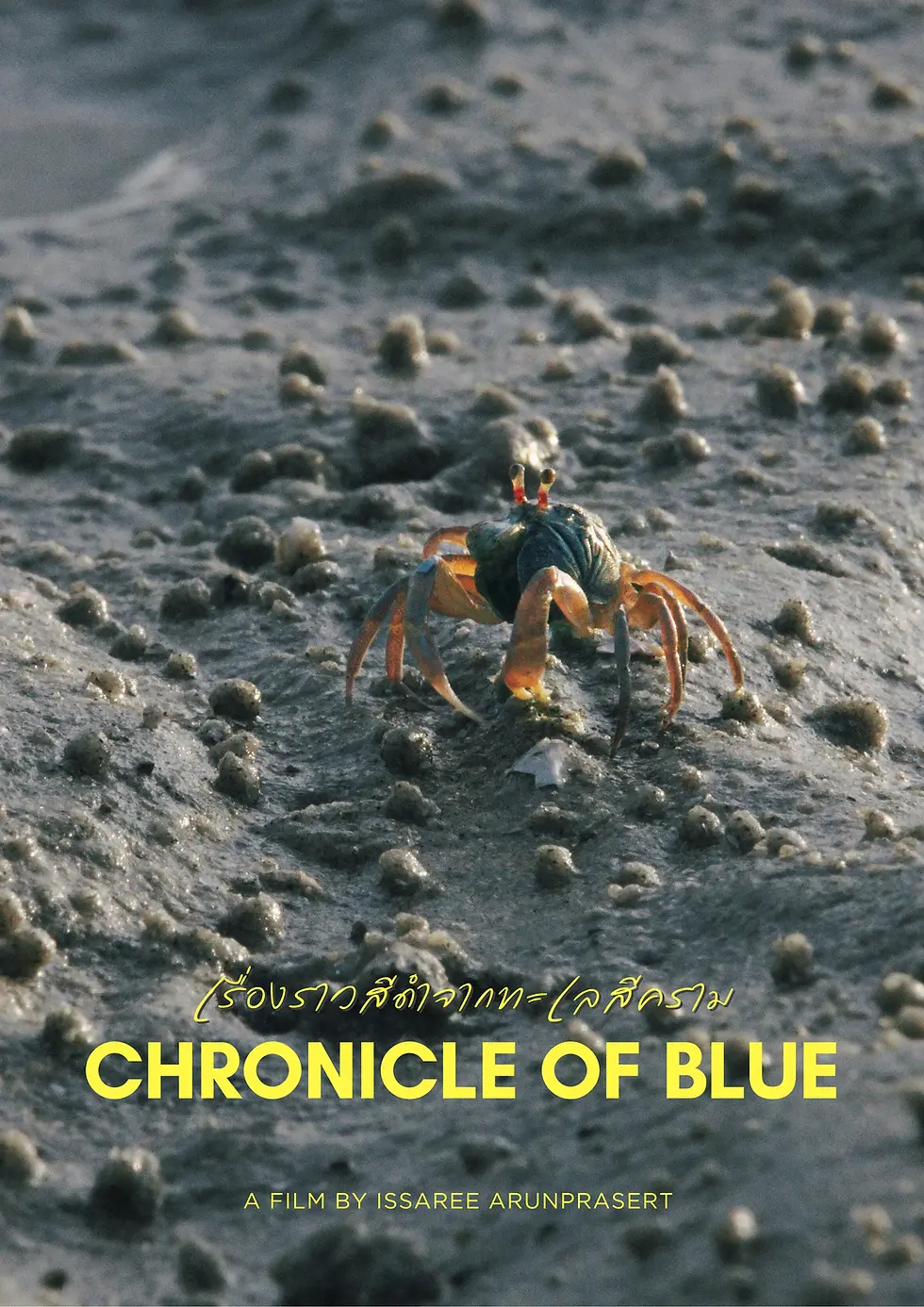


Online Screenings
Online Screenings offers audiences the opportunity to access short films previously screened at the CCCL Film Festival. Each film explores climate change and environmental challenges through unique, creative storytelling and diverse perspectives that inspire awareness and action. Join us online to be part of a conversation.